Ganglion Cyst: Symptoms, Causes and Individualized Homeopathic Approach
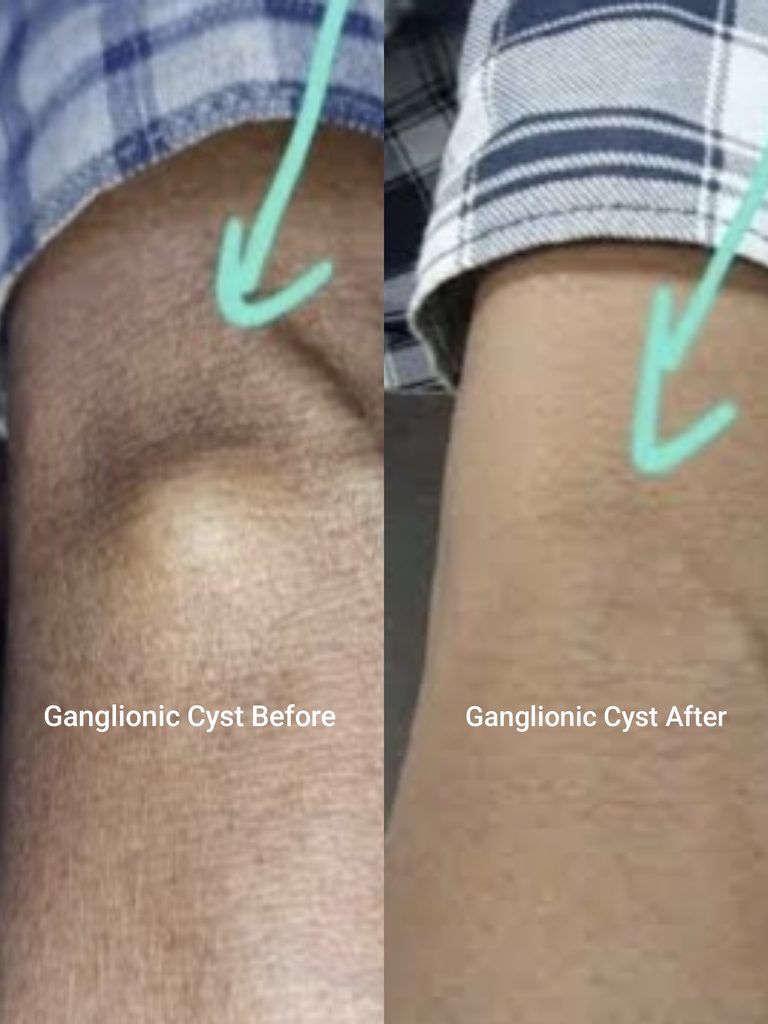
A small swelling near the wrist, hand or another joint can be a ganglion cyst. Along with understanding the condition, many patients want an approach that considers their individual symptoms and overall health. This article explains ganglion cysts and outlines how an individualized homeopathic consultation may be incorporated into a patient-centred care plan.
What Is a Ganglion Cyst?
A ganglion cyst is a non-cancerous, fluid-filled swelling that commonly develops near a joint or tendon. It is often seen around the wrist or hand, but can also occur near the fingers, ankle or foot. The swelling may be small and painless, or it may become noticeable during movement and everyday activities.
Common Signs and Symptoms
- A rounded lump near a joint or tendon.
- Discomfort or tenderness, especially with certain movements.
- Changes in the size of the swelling over time.
- Reduced comfort or movement when using the affected area.
- Occasional tingling or numbness if nearby structures are compressed.
Some ganglion cysts cause no pain. A new or unexplained lump should be assessed by a qualified healthcare professional because other conditions can look similar.
Why Does a Ganglion Cyst Develop?
The exact cause is not always clear. Ganglion cysts are associated with joints or tendon coverings and contain thick, jelly-like fluid. Repetitive movement or a previous injury may be relevant in some people, but a clear trigger is not always found.
Individualized Homeopathic Approach
In homeopathic practice, remedy selection is individualized rather than based only on the diagnostic name. A detailed consultation may consider the location and duration of the swelling, the nature of any pain, factors that aggravate or relieve discomfort, the effect on movement, associated symptoms and the patient’s broader health history.
The practitioner evaluates the total symptom picture before deciding whether a homeopathic prescription is appropriate. Follow-up should document relevant changes—such as discomfort, function and the measured appearance of the swelling—rather than relying on impressions alone. The response can vary from person to person, and no particular remedy or outcome should be assumed from the diagnosis alone.
Patients may discuss individualized homeopathic care with their practitioner as part of a broader care plan. It should not delay examination, imaging when indicated, or recommended medical treatment. Evidence for homeopathy specifically dissolving ganglion cysts is limited, so a guaranteed cure should not be promised.
Other Management Options
After the diagnosis is confirmed, a clinician may recommend observation when the cyst is not troublesome. Activity modification or suitable support may help some symptoms. Aspiration can be considered in selected cases, although the cyst may return. Surgery may be discussed if symptoms persist or function is affected. The best option depends on the individual clinical assessment.
Do not try to burst, hit or puncture a cyst at home; this can cause injury or infection.
When Should You Seek Medical Advice?
Arrange an assessment for any new or unexplained lump. Seek prompt care if the swelling becomes very painful, hot or red, grows rapidly, feels hard or fixed, or is associated with persistent numbness or weakness.
Frequently Asked Questions
Can a ganglion cyst go away on its own?
Some cysts become smaller or disappear without active treatment, while others persist or recur.
Does every ganglion cyst need surgery?
No. If a confirmed cyst is not painful and does not affect function, observation may be appropriate. A clinician can discuss options if it becomes troublesome.
How is homeopathic treatment selected?
Homeopathic practitioners consider the individual’s symptom pattern and health history rather than choosing a remedy solely from the condition name. Follow-up and appropriate medical assessment remain important.
Related Information
For details about arranging a consultation, visit our Online Consultation page. You can also review the Pre-Consultation Information Form before your appointment.
Conclusion
Ganglion cysts are common swellings near joints and tendons. Correct assessment helps distinguish them from other lumps and guides suitable management. An individualized consultation can explore the patient’s symptoms and preferences while keeping clinical examination, appropriate treatment and follow-up central to care.
Medical information for education only; it is not a substitute for an individual consultation, diagnosis or treatment plan.