Fatty Liver: Causes, Symptoms, and Homeopathic Treatment
Fatty Liver: Causes, Symptoms, and Homeopathic Treatment
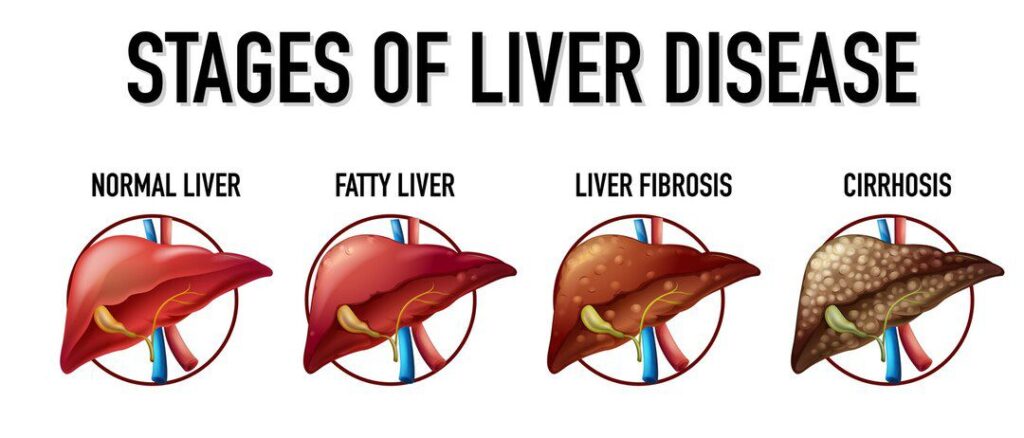
Fatty liver, also known as hepatic steatosis, is a condition in which excess fat accumulates in the liver cells. While it is normal for the liver to contain small amounts of fat, when fat constitutes more than 5-10% of the liver’s weight, it is classified as fatty liver. This condition can be divided into two main types: alcoholic fatty liver disease (AFLD), which is caused by excessive alcohol consumption, and non-alcoholic fatty liver disease (NAFLD), which occurs in individuals who drink little to no alcohol. If left untreated, fatty liver can lead to inflammation, liver scarring, and potentially life-threatening conditions such as cirrhosis.
Causes of Fatty Liver
Fatty liver can develop due to a variety of factors, some of which are related to lifestyle, while others are connected to underlying medical conditions. The most common causes include:
1. Obesity: Being overweight is one of the primary risk factors for developing non-alcoholic fatty liver disease. Excess fat in the body can lead to the accumulation of fat in the liver.
2. Diabetes and Insulin Resistance : Individuals with type 2 diabetes or insulin resistance are more likely to develop fatty liver. Insulin resistance can cause fat to build up in the liver, even in those who do not consume excessive alcohol.
3. High Cholesterol : Elevated levels of cholesterol and triglycerides in the blood can contribute to fat deposition in the liver. People with high cholesterol or lipid disorders are at a higher risk of developing fatty liver.
4. Excessive Alcohol Consumption : For those with alcoholic fatty liver disease, chronic and excessive alcohol consumption leads to fat accumulation in the liver cells. The liver is responsible for breaking down alcohol, and over time, alcohol abuse can impair liver function.
5. Rapid Weight Loss : Surprisingly, losing weight too quickly can also lead to fatty liver. When the body rapidly breaks down fat stores, it can overwhelm the liver’s ability to process the fat, leading to fat accumulation.
Understanding these risk factors can help individuals manage and prevent the development of fatty liver, particularly through lifestyle modifications and early intervention.
Symptoms of Fatty Liver
In many cases, fatty liver is a silent condition with few or no symptoms in its early stages. However, as the disease progresses, some individuals may begin to experience the following symptoms:
1. Fatigue : Persistent tiredness and weakness are common symptoms of fatty liver disease, especially in its more advanced stages.
2. Abdominal Discomfort : A dull or aching pain in the upper right side of the abdomen, where the liver is located, may be a sign of an enlarged or inflamed liver.
3. Weight Loss : Unintentional weight loss can occur as fatty liver progresses, particularly when it leads to liver inflammation.
4. Jaundice : In severe cases, individuals with fatty liver may develop jaundice, which causes yellowing of the skin and eyes. This occurs when liver function is significantly impaired.
5. Nausea and Loss of Appetite : Some individuals with advanced fatty liver disease may experience nausea, a reduced appetite, and overall discomfort after eating.
It’s important to note that many individuals with fatty liver may not experience noticeable symptoms until the disease has progressed to a more severe stage.
Homeopathic Approach to Treating Fatty Liver
Homeopathy offers a holistic approach to treating fatty liver by addressing the underlying causes, such as poor diet, metabolic disorders, and stress. It focuses on restoring liver function, reducing fat accumulation, and improving overall health. The following are some common homeopathic remedies used for fatty liver:
1. Chelidonium Majus: One of the most commonly prescribed remedies for liver disorders, *Chelidonium Majus* is particularly effective for individuals experiencing pain in the right upper abdomen, yellowish skin, and discomfort related to fatty liver. It helps in detoxifying the liver and improving bile flow.
2. Lycopodium Clavatum : This remedy is useful for individuals suffering from bloating, indigestion, and a sluggish liver. It is particularly helpful when fatty liver is associated with digestive disturbances, especially after consuming fatty foods.
3. Nux Vomica : *Nux Vomica* is indicated for individuals who have a history of overeating, excessive alcohol consumption, or a sedentary lifestyle. It helps in improving liver function, reducing fat accumulation, and supporting detoxification.
4. Carduus Marianus : This remedy, derived from the milk thistle plant, is widely used for liver-related issues, including fatty liver. It is known for its ability to regenerate liver cells, reduce inflammation, and enhance bile production.
5. Phosphorus : For individuals who experience chronic fatigue, weakness, and digestive complaints along with fatty liver, *Phosphorus* is an effective remedy. It helps in supporting liver function and addressing symptoms of liver inflammation.
Each remedy is selected based on the individual’s overall health, lifestyle, and specific symptoms, with the goal of improving liver function and preventing further fat accumulation.
Lifestyle and Dietary Changes
In addition to homeopathic treatment, lifestyle and dietary changes play a crucial role in managing and reversing fatty liver. Some important recommendations include:
1. Weight Management : Gradual weight loss through a combination of healthy eating and regular exercise is essential for reducing fat in the liver. Crash diets or rapid weight loss should be avoided, as they can worsen the condition.
2. Balanced Diet : A diet rich in fruits, vegetables, whole grains, lean proteins, and healthy fats can support liver health. Reducing sugar, refined carbohydrates, and saturated fats is important for managing fatty liver.
3. Regular Exercise : Engaging in at least 30 minutes of moderate exercise, such as brisk walking, cycling, or swimming, can help reduce liver fat and improve overall metabolic health.
4. Limit Alcohol Intake : For individuals with alcoholic fatty liver disease, reducing or eliminating alcohol consumption is critical for preventing further liver damage.
5. Monitor Blood Sugar and Cholesterol Levels : Individuals with diabetes or high cholesterol should work with their healthcare provider to manage these conditions, as they are major risk factors for fatty liver.
These lifestyle changes, combined with homeopathic treatment, can help in reversing fatty liver and preventing its progression to more serious liver diseases.
Conclusion
Fatty liver is a manageable condition when caught early and treated with a combination of homeopathic remedies and lifestyle changes. Homeopathy provides a natural, gentle approach to improving liver health and addressing the root causes of fat accumulation in the liver. By adopting healthy dietary habits, engaging in regular physical activity, and seeking appropriate treatment, individuals with fatty liver can prevent further complications and restore their liver function. If you are experiencing symptoms of fatty liver or are at risk due to lifestyle factors, consulting a homeopathic practitioner can provide personalized treatment tailored to your needs.
Related: Terms & Conditions