Proximal Ureteric Calculus: Symptoms and Individualized Homeopathic Approach
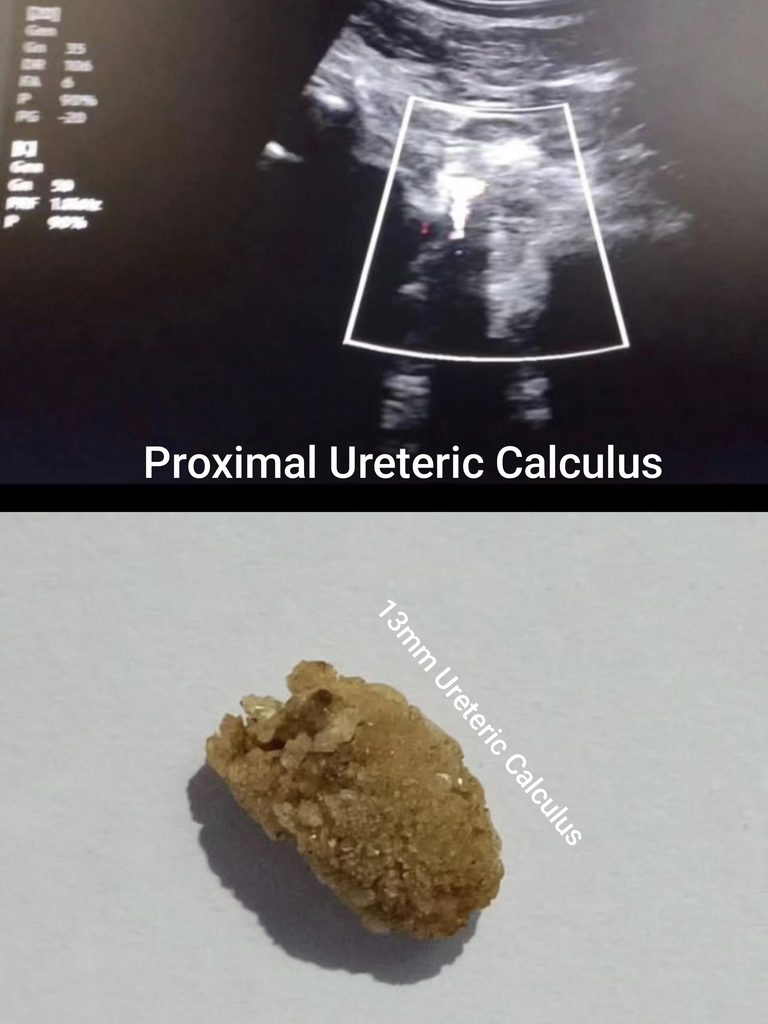
A proximal ureteric calculus is a stone lodged in the upper part of the ureter, the tube that carries urine from the kidney to the bladder. It may cause severe pain and can sometimes obstruct urine flow. Timely assessment is important because the size and position of the stone, symptoms and presence of obstruction influence management.
Common Symptoms
- Severe pain in the side or back, sometimes spreading towards the abdomen or groin.
- Pain that comes in waves or changes in intensity.
- Nausea or vomiting.
- Blood in the urine or discomfort while passing urine.
- Frequent urge to urinate, depending on the stone’s location.
Some stones may cause few symptoms initially. Imaging and urine/blood tests may be required to confirm the diagnosis and assess obstruction.
Why Diagnosis Matters
A clinician may recommend ultrasound or CT imaging depending on the presentation, along with tests for kidney function and infection when appropriate. Treatment decisions depend on stone size, exact location, degree of obstruction, pain control and the patient’s overall condition.
Individualized Homeopathic Consultation
Homeopathic practitioners who provide individualized care may take a detailed history of the pain: its location, character, intensity, direction of radiation, factors that aggravate or relieve it, associated nausea or urinary symptoms, and the patient’s broader symptom pattern. This structured case-taking helps the practitioner understand the individual presentation rather than relying on the diagnostic label alone.
Any complementary homeopathic care should be coordinated with appropriate medical assessment. It must not delay imaging, pain management or procedures recommended for an obstructing stone. A remedy should not be represented as reliably dissolving or expelling a ureteric stone without evidence of that outcome. Follow-up should be based on symptoms and objective clinical assessment.
When Is Urgent Care Needed?
Seek urgent medical care for fever or chills with suspected stone, inability to pass urine, persistent vomiting, uncontrolled pain, faintness, or known kidney disease/one functioning kidney. A stone with infection or significant obstruction can be an emergency.
Frequently Asked Questions
Can a ureteric stone pass naturally?
Some stones pass without a procedure, but the likelihood depends on size and location. Medical assessment is needed to decide whether observation is safe.
Does every stone require surgery?
No. Some can be monitored or managed medically, while others need intervention. The decision depends on clinical findings.
Related Information
For general consultation arrangements, visit our Online Consultation page or review the Pre-Consultation Information Form. Urgent symptoms such as fever with suspected stone, inability to pass urine or uncontrolled pain need urgent medical assessment rather than waiting for an online appointment.
Conclusion
Proximal ureteric calculus requires accurate diagnosis and a plan tailored to the stone and the patient. Individualized consultation can document the person’s symptom pattern and preferences, while safe care keeps obstruction, infection, kidney function and timely follow-up at the centre.
Educational information only; not a substitute for urgent or individual medical care.